Ledger Login: The Complete Guide to Secure Cryptocurrency Access
Cryptocurrency security is a top priority for anyone holding digital assets. As hackers become more sophisticated, using a secure hardware wallet has become essential. Ledger, a leading provider of hardware wallets, ensures that your crypto assets remain safe, while Ledger Login provides a secure and straightforward way to access your Ledger device and manage your funds.
In this guide, we’ll explore everything you need to know about Ledger Login, from setup and usage to advanced security practices, ensuring you can confidently manage your digital assets while keeping them safe from unauthorized access.
What is Ledger and Ledger Login?
Ledger is a company that produces hardware wallets, including Ledger Nano S and Ledger Nano X, designed to store cryptocurrency private keys offline. This significantly reduces the risk of theft from hacking or malware.
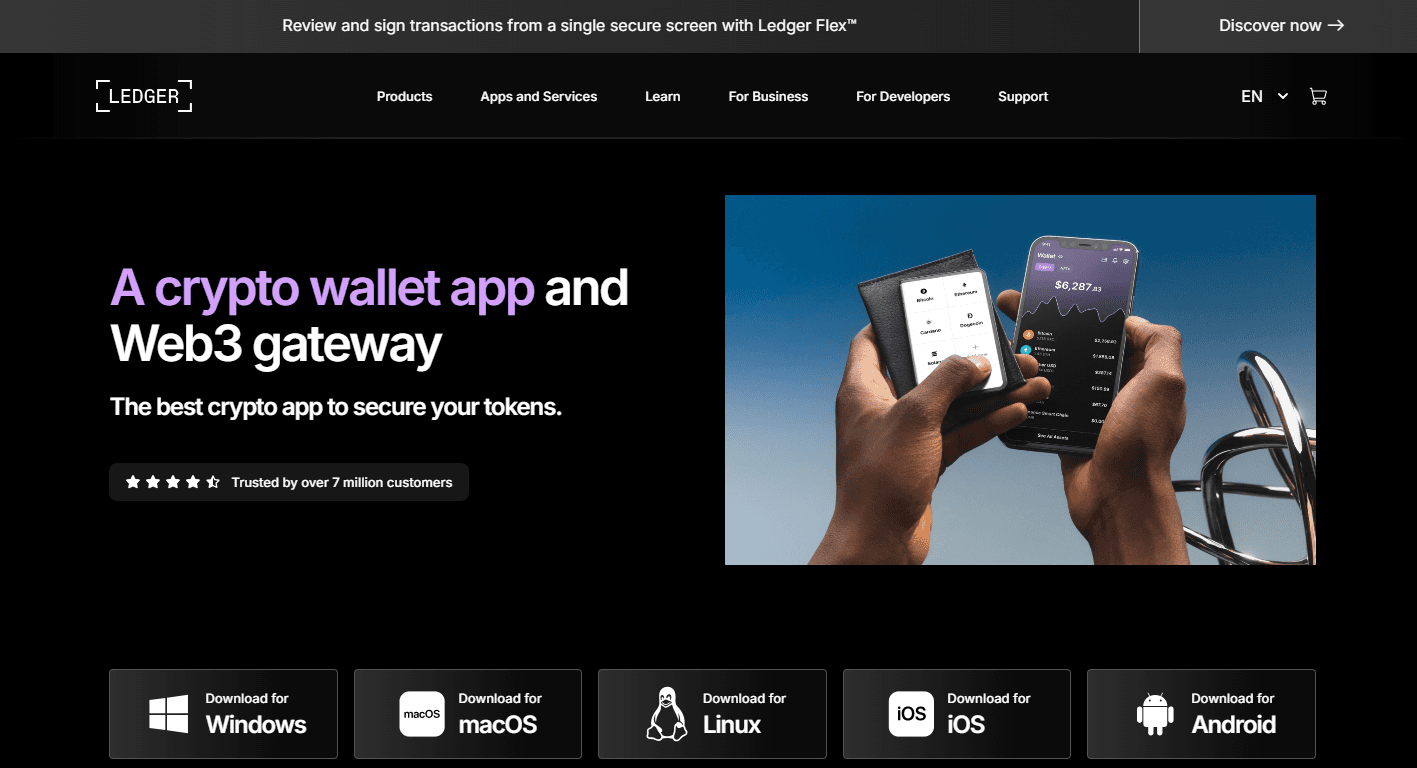
Ledger Login refers to the process of securely accessing your Ledger hardware wallet through Ledger Live, the official companion application. Ledger Live allows users to manage multiple cryptocurrencies, check balances, send and receive funds, and interact with decentralized applications—all while ensuring that private keys remain safely stored on the device.
Ledger’s combination of hardware and software creates a secure ecosystem for managing digital assets.
Why Ledger Login is Important
Ledger Login is more than just accessing your wallet—it ensures secure interaction with your funds. Key reasons why Ledger Login is essential include:
Secure Authentication: Ledger Login uses the device itself for authentication, meaning private keys never leave the wallet.
Portfolio Management: Ledger Live provides an easy-to-use interface to view balances, track performance, and manage multiple crypto assets.
Transaction Verification: Every transaction is confirmed on the device, preventing malware from manipulating transfers.
Access to DeFi and Web3: Ledger Login allows safe integration with decentralized finance platforms and Web3 applications.
By understanding Ledger Login, users can protect their crypto holdings while using modern blockchain features securely.
Setting Up Ledger and Ledger Login
Getting started with Ledger and logging in securely involves several steps.
Step 1: Unboxing Your Ledger Device
Check the packaging for tampering before opening.
Confirm the presence of the device, USB cable, and instruction guide.
Ledger wallets include a security seal; never use a device with a broken seal.
Step 2: Install Ledger Live
Ledger Live is the official software to manage your wallet:
Visit Ledger.com and download Ledger Live for your operating system (Windows, macOS, Linux, iOS, Android).
Install and launch the application.
Follow the prompts to connect your Ledger device.
Step 3: Initialize Your Device
Choose “Set up as new device” or “Restore from recovery phrase” if you already have a wallet.
Write down your 24-word recovery phrase securely; this is your backup for device loss or failure.
Set a PIN code to prevent unauthorized access.
Important: Never share your recovery phrase with anyone or store it digitally. Ledger will never ask for this phrase online.
Logging into Ledger
Once your device is set up, Ledger Login is performed through Ledger Live:
Connect your Ledger device to your computer or mobile device.
Open Ledger Live and enter your PIN.
Your dashboard will appear, displaying all connected accounts and balances.
For added security, Ledger Live may prompt you to confirm actions on your device itself.
Ledger Login ensures that all sensitive information, including private keys, remains securely stored on your hardware wallet.
Managing Cryptocurrencies with Ledger Login
Ledger Live allows users to send, receive, and manage multiple cryptocurrencies:
Receiving Crypto
Select the cryptocurrency account.
Click “Receive” to generate a wallet address.
Confirm the address on your Ledger device.
Share the address to receive funds securely.
Sending Crypto
Select the account and click “Send.”
Enter the recipient’s address and amount.
Confirm the transaction on the Ledger device to ensure authenticity.
Swapping and Exchanging Crypto
Ledger Live also includes a built-in exchange feature:
Swap one cryptocurrency for another directly within Ledger Live.
Transactions require confirmation on your device.
Ledger partners with exchange providers to ensure secure and compliant swaps.
Security Features of Ledger Login
Ledger Login and Ledger devices incorporate multiple layers of security to protect user assets:
Private Key Storage: Keys never leave the device, preventing remote hacks.
PIN Code: Protects the device from unauthorized physical access.
Passphrase Support: Optional passphrase creates a hidden wallet for additional security.
Transaction Verification: All transactions must be confirmed on the device.
Firmware Updates: Ledger periodically releases firmware updates to address vulnerabilities.
By following Ledger Login procedures correctly, users maintain a high level of security while accessing their wallets.
Ledger Login for DeFi and Web3
Ledger devices can safely interact with decentralized finance (DeFi) platforms and Web3 applications:
Connect Ledger with Ethereum-compatible DApps using Ledger Live or MetaMask integration.
Approve transactions on the device to ensure security.
Participate in staking, lending, borrowing, and other DeFi protocols without exposing private keys.
This functionality makes Ledger not only a storage solution but also a gateway to the broader blockchain ecosystem.
Troubleshooting Ledger Login
Some common issues with Ledger Login and Ledger Live include:
Device Not Recognized
Ensure the USB connection is secure.
Restart Ledger Live and reconnect the device.
Update the Ledger Live software and device firmware.
Forgotten PIN
Use your recovery phrase to reset the device.
Avoid repeated incorrect attempts, as this will wipe the device for security.
Transaction Issues
Verify addresses carefully on your device screen.
Ensure network fees are sufficient to process transactions.
Ledger Live’s help section provides step-by-step guides for most problems.
Best Practices for Ledger Users
To maximize security when using Ledger Login, consider the following tips:
Store Recovery Phrase Offline: Use a fireproof safe or secure backup device.
Enable Device Encryption: Ledger’s PIN ensures only authorized users can access the wallet.
Keep Software Updated: Regularly update Ledger Live and device firmware.
Use Passphrase for Extra Protection: Adds an additional layer of security against unauthorized access.
Beware of Phishing Sites: Always visit Ledger.com or use official links to avoid scams.
Ledger Login vs Other Wallet Access Methods
Ledger provides a hardware-based login approach, differing from software-only wallets such as MetaMask or Trust Wallet:
FeatureLedger LoginMetaMaskTrust WalletPrivate Key StorageOffline on deviceLocal softwareLocal softwareSecurityHigh, hardware-protectedModerateModerateMulti-CurrencySupportedFocused on EthereumMulti-tokenDeFi AccessSupportedSupportedSupportedRecovery24-word seed12/24-word seed12-word seed
Ledger’s hardware-based login offers superior security for long-term storage and high-value assets.
Advantages of Ledger Login
Highly secure hardware authentication
Multi-currency management
Transaction verification on device
Integration with Ledger Live, DeFi, and Web3 apps
Backup and recovery with a 24-word phrase
Limitations
Requires a physical device to access funds
Fees apply for blockchain transactions and swaps
Desktop or mobile software required for full functionality
Despite these minor limitations, Ledger Login remains one of the safest methods to manage cryptocurrency.
Conclusion
Ledger Login provides a secure, convenient way to access and manage cryptocurrency through a hardware wallet. By combining Ledger Live software with the physical security of the Ledger device, users can confidently send, receive, and track multiple assets while minimizing exposure to hacking and malware.
Whether you’re a beginner or an experienced investor, Ledger Login ensures that your crypto is secure, accessible, and ready for interaction with the growing DeFi and Web3 ecosystem. By following proper setup steps, maintaining your recovery phrase, and using the wallet’s security features, you can safely manage your digital assets and enjoy peace of mind in the rapidly evolving world of cryptocurrency.
With Ledger, your crypto isn’t just stored—it’s protected, managed, and ready to grow securely.